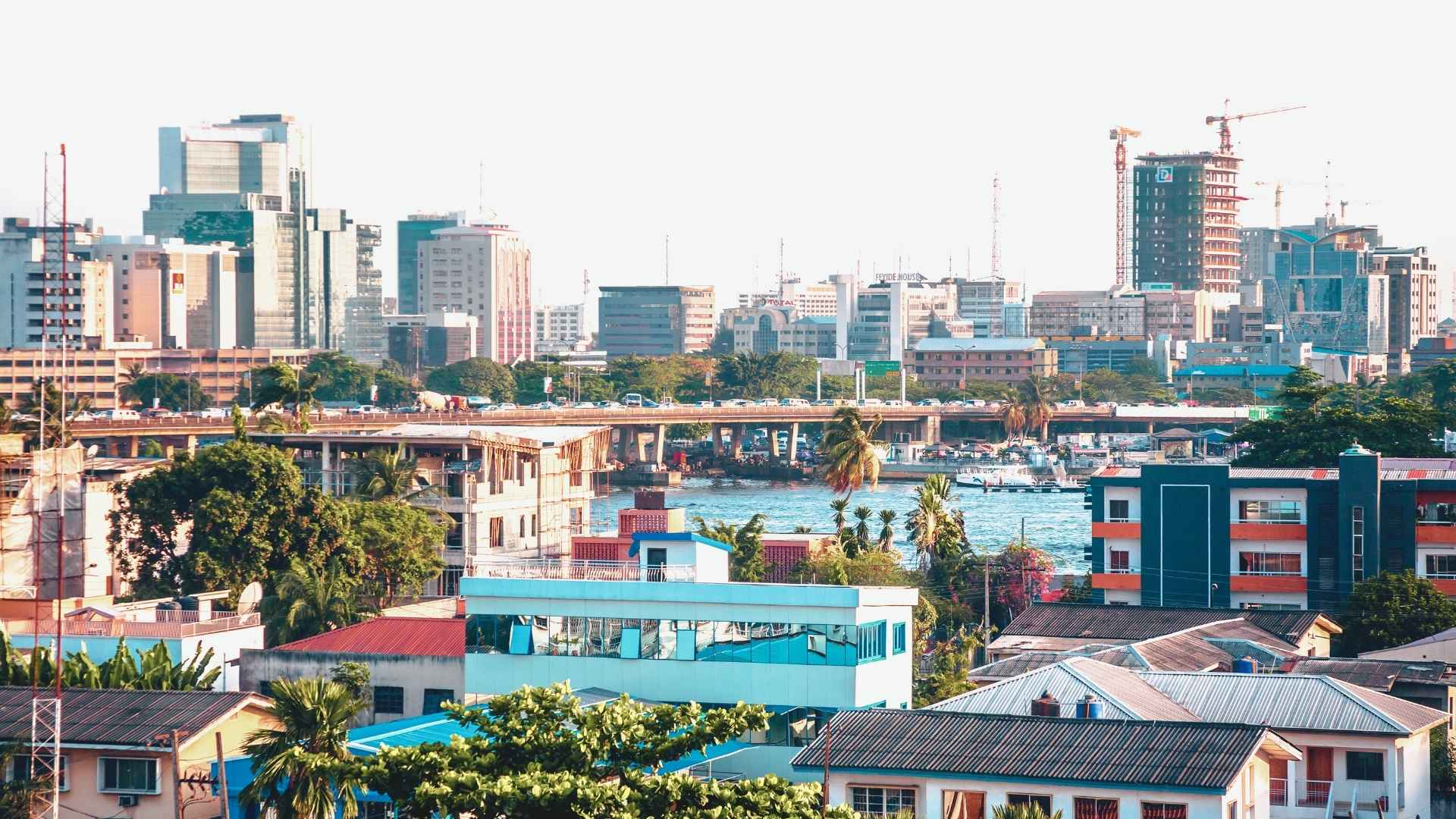
Can Foreigners Buy Property in Nigeria? 2026 Guide
 05, Jun 2026

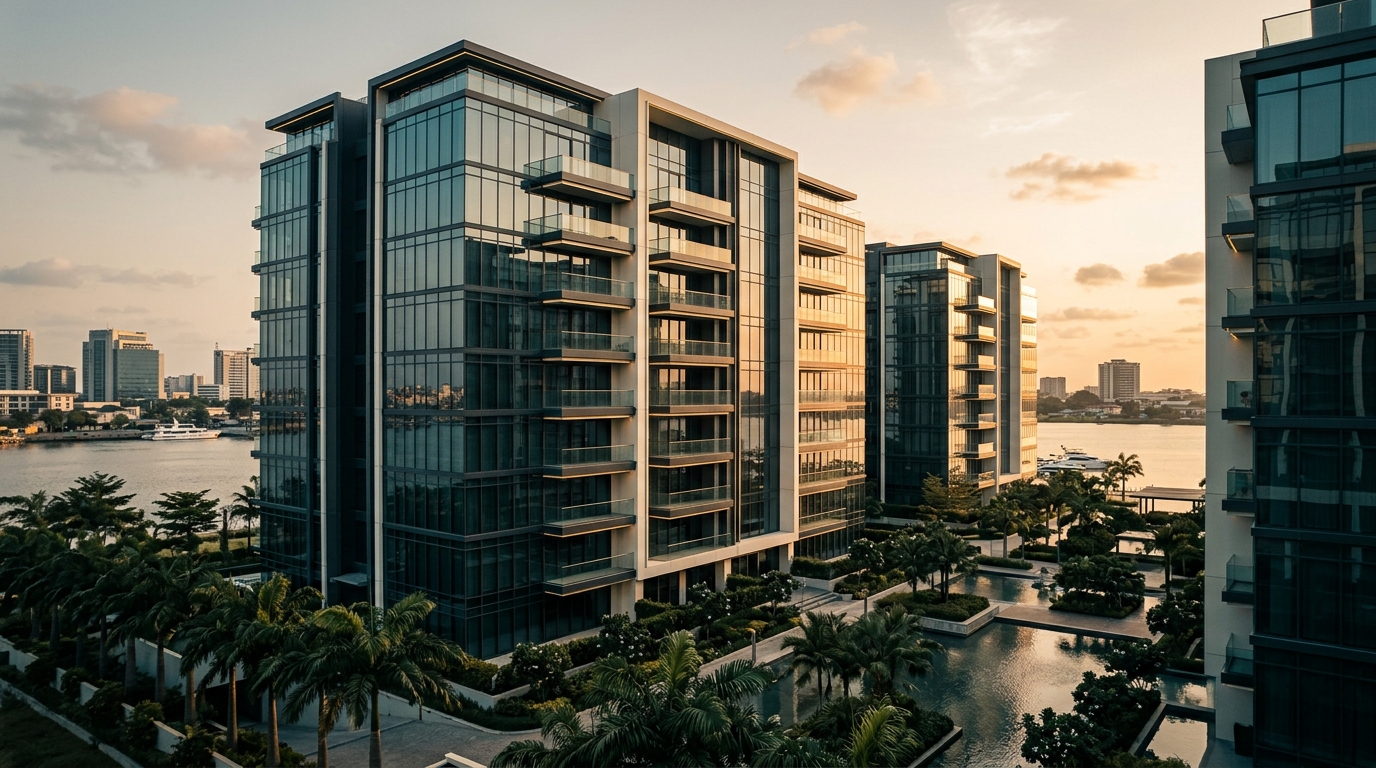
Yes. Foreigners can legally buy property in Nigeria, but they almost never own land outright the way buyers do in the United Kingdom or United States. Under the Land Use Act 1978, all land in a state is held in trust by the Governor, so what you actually acquire is a right of occupancy, a long lease that usually runs for up to 99 years. The cleanest and most secure route for most international investors is to buy through a Nigerian-registered company, which can be 100% foreign owned and which holds property on the same terms as a Nigerian.
This guide explains the law in plain English, walks through the documents you must verify, sets out the taxes and fees that apply in 2026, and shows how diaspora buyers and overseas investors can purchase safely, even from abroad.
This article is general information and not legal advice. Confirm the specifics of any transaction with a qualified Nigerian property lawyer before you pay a kobo.
Understanding Property Ownership in Nigeria
The first thing to understand is that absolute freehold ownership of land, the kind common in many Western countries, does not really exist in Nigeria. Not for foreigners, and not even for Nigerian citizens.
Instead, the system is built on rights of occupancy. There are two kinds. A statutory right of occupancy is granted by the Governor, mostly over urban land. A customary right of occupancy applies to land held under traditional or community arrangements, often in rural areas. In both cases you hold a time-limited interest rather than the soil itself.
A Certificate of Occupancy, almost always shortened to C of O, is the document that evidences a statutory right of occupancy. It typically grants the holder rights for a term of 99 years. When that term is mentioned, many first-time buyers assume it is freehold. It is not. It is closer to a very long government lease.
This matters for one practical reason: the quality and registration of your title documents are everything. Your security as an owner depends less on the bricks and more on whether the paperwork has been properly verified, consented to and registered at the state land registry.
What the Land Use Act Means for Foreign Investors
The Land Use Act of 1978 is the principal law governing land in Nigeria. It is entrenched in the 1999 Constitution, which makes it very difficult to change.
Section 1 of the Act vests all land in each state in the Governor of that state, to be held in trust and administered for the use and common benefit of all Nigerians. Read that last phrase again, because it is the heart of the issue for foreign buyers. The courts have interpreted the Act as being for the benefit of Nigerians.
In the 2017 Supreme Court case of Gerhard Huebner v Aeronautical Industrial Engineering and Project Management Company Limited, the court held that the Land Use Act limits its benefits to Nigerians, and that a foreigner cannot apply for a statutory or customary right of occupancy. The appellant in that case was a German national who had lived in Kaduna State.
That sounds like a closed door. It is not, for two reasons. First, the same Supreme Court confirmed that the Land Use Act did not repeal older state laws that allow foreigners to acquire land with the Governor’s approval. Second, and more importantly for investors, a Nigerian company is a Nigerian legal person. A company incorporated in Nigeria can hold land like any citizen, even when it is wholly owned by foreigners.
So the Act does not block foreign investment in property. It channels it. Direct individual ownership by a foreigner is restricted and limited in term, while ownership through a Nigerian company is well established and gives access to the full 99-year interest.
Can Foreigners Own Land in Nigeria?
Not outright, and not on the same terms as a citizen if buying as an individual.
A foreigner cannot apply for a statutory right of occupancy in their own name in the way a Nigerian can. Several states also have an Acquisition of Lands by Aliens Law that adds a further layer. In Lagos State, for example, this law says a foreigner may acquire an interest in land only with the prior written approval of the Governor, and the interest granted to a foreigner is capped at a maximum term of 25 years, including any option to renew.
Compare that with the 99-year term available to Nigerian citizens and Nigerian-registered companies, and the gap is obvious. A 25-year leasehold is a much weaker asset for long-term capital appreciation than a 99-year interest.
This is the single biggest reason foreign investors structure their purchases through a Nigerian company. It is not a loophole. It is the standard, lawful and widely advised route.
How Foreigners Legally Buy Property in Nigeria
There are two main pathways. Each is legitimate, but they suit different buyers.
Buying as an Individual
A foreign individual can acquire an interest in developed residential property, subject to the state restrictions described above and the requirement for Governor’s approval and consent. In Lagos and similar states this typically means a leasehold interest of up to 25 years for direct foreign acquisition.
You do not need a residency visa or work permit to buy. You can close a transaction and register a title using an international passport, either while visiting on a tourist visa or by acting remotely through a trusted Nigerian lawyer under a Power of Attorney.
This route can work for a diaspora Nigerian who already holds Nigerian citizenship, since a citizen living abroad has the same property rights as one living in Lagos. For a true foreign national wanting long-term security, the shorter term and extra approvals make the company route more attractive.
Buying Through a Nigerian Company
This is the route most international and corporate investors take. You incorporate a company with the Corporate Affairs Commission, and that company buys and holds the property. Because the company is Nigerian, it can hold a 99-year right of occupancy and is not subject to the alien land restrictions that apply to individuals.
The company can be wholly foreign owned. It can also hold multiple properties, which makes it efficient for investors building a portfolio. The trade-off is the cost and compliance of running a company, which we cover next.
Why Many Foreign Investors Use Nigerian Companies
Three reasons stand out.
First, term and security. A Nigerian company gets the full 99-year interest, not the 25-year cap that applies to a foreign individual in states like Lagos. That is a far stronger asset to hold, finance and eventually sell.
Second, the law positively allows it. Under the Nigerian Investment Promotion Commission Act, foreign investors can own up to 100% of the equity in a Nigerian company in most sectors. The exceptions are a short negative list under Section 31 of the NIPC Act, such as arms, ammunition and narcotics. Real estate is not restricted.
Third, investor protections. A company that registers with the NIPC and imports its capital properly gains valuable guarantees: unconditional repatriation of capital, profits and dividends in a convertible currency, and protection against expropriation without fair compensation.
To set this up properly, a foreign-owned company usually must incorporate with the Corporate Affairs Commission, meet the minimum share capital expected for companies with foreign participation, which is currently 100 million naira, register with the NIPC, obtain a Business Permit from the Federal Ministry of Interior, register for tax, and import its investment capital through an authorised dealer bank to obtain a Certificate of Capital Importation.
That Certificate of Capital Importation, now issued electronically as an e-CCI, is the document that later lets you legally send your money back out of Nigeria. Skipping it is one of the most expensive mistakes a foreign investor can make.
Governor’s Consent Explained
Governor’s Consent is one of the most important and most misunderstood steps in any Nigerian property deal.
Section 22 of the Land Use Act makes it unlawful for the holder of a statutory right of occupancy to transfer, assign, mortgage or sublease that right without the consent of the Governor first had and obtained. In plain terms, when you buy land that already has a C of O, the sale is not legally complete until the Governor approves the transfer to you.
Think of the Governor as the ultimate landlord of the state. Until that approval is granted, stamped and registered, the transaction can be treated as void. The risks of skipping it are serious: no bank will accept the property as loan security, and the original owner could in theory sell again to someone else who does obtain consent.
In practice, after the parties sign the Deed of Assignment, the buyer applies for Governor’s Consent through the state lands bureau, submitting the executed deed, title documents, survey plan, tax receipts and other state-specific requirements. The state assesses the fees due, the buyer pays, and the perfected instrument is finally registered.
Getting consent takes time and money. Industry sources put the timeline at anywhere from a few months to many months, and the fees are a percentage of the assessed value, which we set out below.
Essential Documents Foreign Buyers Must Verify
Before any money changes hands, insist on seeing and independently verifying these documents. A good Nigerian property lawyer will check each one at the relevant registry.
Certificate of Occupancy (C of O)
The primary evidence of a statutory right of occupancy, usually for 99 years. Confirm it exists in the state land registry records and that the file number is genuine. Fabricated C of O documents are common.
Governor’s Consent
Where the land is being resold and already has a C of O, the prior Governor’s Consent on earlier transfers should be in order, and you will need fresh consent for your own purchase. Verify any claimed consent at the state lands bureau.
Survey Plan
This shows the exact location, boundaries and size of the land. Have it checked at the Office of the Surveyor-General to confirm the land is genuine and does not fall under government acquisition or committed land.
Deed of Assignment
The document that transfers the interest from seller to buyer. It must be properly executed and, after consent and stamping, registered at the land registry.
Registered Title
Confirm the chain of title is registered. A formal search at the land registry will reveal the registered owner and any encumbrances such as mortgages, court cases or government acquisition.
A registry search in Lagos is inexpensive relative to the purchase, and a court search at the State High Court will reveal any pending litigation on the property. Both are essential.
Common Risks Foreign Investors Should Avoid
Land fraud is a real and well-documented problem in Nigeria. The good news is that almost all of these risks are avoidable with proper due diligence.
- Buying without perfecting title. Paying in full and never completing consent, stamping and registration leaves you without legally enforceable ownership. This is the single most common and damaging mistake.
- Fake or forged documents. Convincing fake C of O documents, survey plans and deeds circulate widely. Always verify originals at the registry, never rely on photocopies.
- Double sales. The same plot sold to several buyers. A registry search and prompt registration of your own purchase protect you.
- Omonile and community land disputes. Family or community land sold without the consent of all the rightful family heads can collapse into years of litigation. For family land, ensure all principal members sign.
- Government acquisition. Some land is committed to or acquired by the government and cannot be validly sold. The Surveyor-General’s office can confirm this.
- Paying into personal accounts or in cash. Route all payments through traceable bank channels, ideally to a corporate or escrow account, and get government-backed receipts. Avoid deals that feel rushed or priced too good to be true.
Best Cities in Nigeria for Foreign Property Investment
Nigeria’s housing shortage, rapid urbanisation and large diaspora keep demand strong. Four cities stand out for foreign and diaspora investors.
Lagos. The commercial capital and by far the largest market for foreign property investment in Nigeria, accounting for around 65% of international transactions in the country. Prime areas such as Ikoyi, Victoria Island and Lekki Phase 1 attract the most international buyer activity, while corridors like Ibeju-Lekki and Epe draw investors chasing appreciation. Lagos also has the most developed title and consent system, including electronic registry tools.
Abuja. The purpose-built federal capital, popular with high-net-worth buyers, government-linked tenants and corporates. Districts like Maitama, Asokoro and Gwarinpa are well regarded for stability and family living.
Port Harcourt. The hub of the oil and gas economy in the south, with steady demand for residential and commercial property from multinational companies and expatriates. GRA and the Trans-Amadi industrial area are prime spots.
Ibadan. A large, affordable city close to Lagos, increasingly favoured by budget-conscious and diaspora investors seeking better entry prices and solid returns, helped by its position as a transport hub between Lagos and the north.
Across these markets, your returns depend heavily on location, property type and, above all, clean title.
Step-by-Step Guide for Foreign Buyers
- Decide your structure. Individual purchase for a smaller residential buy, or a Nigerian company for long-term security, larger deals or a portfolio. Take legal and tax advice first.
- If using a company, incorporate it. Register with the Corporate Affairs Commission, meet the 100 million naira share capital expectation for foreign participation, register with the NIPC, and obtain a Business Permit from the Ministry of Interior.
- Import your capital properly. Send funds through an authorised dealer bank and obtain your electronic Certificate of Capital Importation. This protects your right to repatriate later.
- Find the property and engage professionals. Use a credible agent, a licensed surveyor and an independent property lawyer who acts for you, not the seller.
- Conduct due diligence. Land registry search, Surveyor-General check on the survey plan, court search for litigation, and a physical inspection. For remote buyers, insist on video-documented verification.
- Negotiate and sign. Agree terms in writing, then execute the contract and the Deed of Assignment.
- Pay through traceable channels. Use bank transfers to verified corporate or escrow accounts, never cash to individuals.
- Perfect the title. Apply for Governor’s Consent, pay stamp duty, and register the deed at the state land registry.
- Handle the aftercare. Register for Land Use Charge where applicable, obtain a Tax Identification Number, and appoint a property manager if you are abroad.
What Taxes and Fees Apply?
Budget well beyond the headline purchase price. As a guide, the statutory government cost of perfecting a title in Lagos comes to roughly 3% of the assessed value, and total closing costs including professional fees run higher.
| Cost | 2026 position |
|---|---|
| Governor’s Consent fee | 1.5% of assessed value in Lagos. From 1 May 2026 Lagos revised its Fair Market Value “Blue Book,” raising assessed values even though the rate is unchanged. |
| Registration fee | A further 0.5% of assessed value to register the deed. |
| Stamp duty | Commonly assessed at 0.5% in the Lagos perfection schedule. The Nigeria Tax Act 2025 took effect 1 January 2026, with exemptions for transactions below 10 million naira. |
| Capital gains tax | Major 2026 change. Companies now pay 30%, aligned with company income tax. Individuals are taxed at progressive rates up to 25%, with a one-time exemption for a principal private residence. |
| Land Use Charge (Lagos) | Annual property tax of roughly 0.04% to 0.4% of assessed value; owner-occupied residential is set at 0.076%, with a discount for early payment. |
| Agency and legal fees | Agency commission commonly around 5% and legal fees around 5%, both negotiable on higher-value deals. |
Because the 2026 tax reforms are new and some rates are set by individual states, confirm current figures with your lawyer or tax adviser before closing.
Frequently Asked Questions
Can foreigners legally buy property in Nigeria?
Yes. Foreigners can buy property in Nigeria, most securely through a Nigerian-registered company, which can be 100% foreign owned. Direct individual purchase is possible but more restricted.
Can a foreigner own land outright in Nigeria?
No. Under the Land Use Act, nobody owns land outright, not even Nigerians. You hold a right of occupancy, effectively a long lease of up to 99 years.
Can a foreigner own 100% of a Nigerian company?
Yes. Under the NIPC Act, foreigners can own up to 100% of the equity in a Nigerian company in most sectors, with a short negative list of prohibited activities such as arms and narcotics.
What is Governor’s Consent and why does it matter?
It is the Governor’s formal approval of a land transfer, required by Section 22 of the Land Use Act. Without it, your purchase of land with a C of O is not legally complete and can be treated as void.
Do I need to be in Nigeria to buy?
No. Many foreign and diaspora buyers purchase remotely through a trusted lawyer acting under a notarised Power of Attorney, with video-documented verification of the property and documents.
How long does it take to perfect a title?
A registry search takes days, but obtaining Governor’s Consent can take from a few months to many months depending on the state and the documents.
What taxes will I pay when I buy and sell?
On purchase in Lagos, expect Governor’s Consent at 1.5%, registration at 0.5%, stamp duty and professional fees. On sale from 2026, companies pay capital gains tax at 30%, while individuals pay at progressive rates up to 25%, with a one-time exemption for a principal private residence.
How can I send my money back out of Nigeria later?
By importing your capital through an authorised dealer bank and obtaining an electronic Certificate of Capital Importation at the outset. This is what guarantees lawful repatriation of capital and profits.
Is buying property a route to Nigerian residency?
No. As of early 2026, buying a home does not by itself grant residency. Residency is tied to work, business or investment permits administered under the immigration system.
Final Thoughts
Foreigners can buy property in Nigeria, and many do, very profitably. The key is to respect how the system actually works. You are acquiring a right of occupancy, not freehold soil. Direct individual ownership is restricted and short in term, while a Nigerian company gives you the full 99-year interest and strong investor protections. Governor’s Consent and proper title perfection are not optional formalities, they are the difference between owning an asset and owning a worthless piece of paper.
Do your due diligence, use professionals who act for you, pay only through traceable channels, and confirm the current law with a qualified Nigerian property lawyer before you commit. Done properly, Nigerian real estate offers some of the most compelling growth opportunities in Africa.
Why Invest Through Jodoa Nigeria
Jodoa Nigeria helps international investors, diaspora Nigerians, expatriates and corporate buyers acquire property in Nigeria with confidence. We focus on verified listings, independent title verification and transparent transactions, so you always know exactly what you are buying and what it will cost.
Our team can guide you through company formation, due diligence, Governor’s Consent and remote purchase, with documentation you can rely on at every step.
This article is general information and not legal advice. Property laws and tax rates change and vary by state. Always confirm the specifics of your transaction with a qualified Nigerian property lawyer and tax adviser before committing funds.
 Social Share:




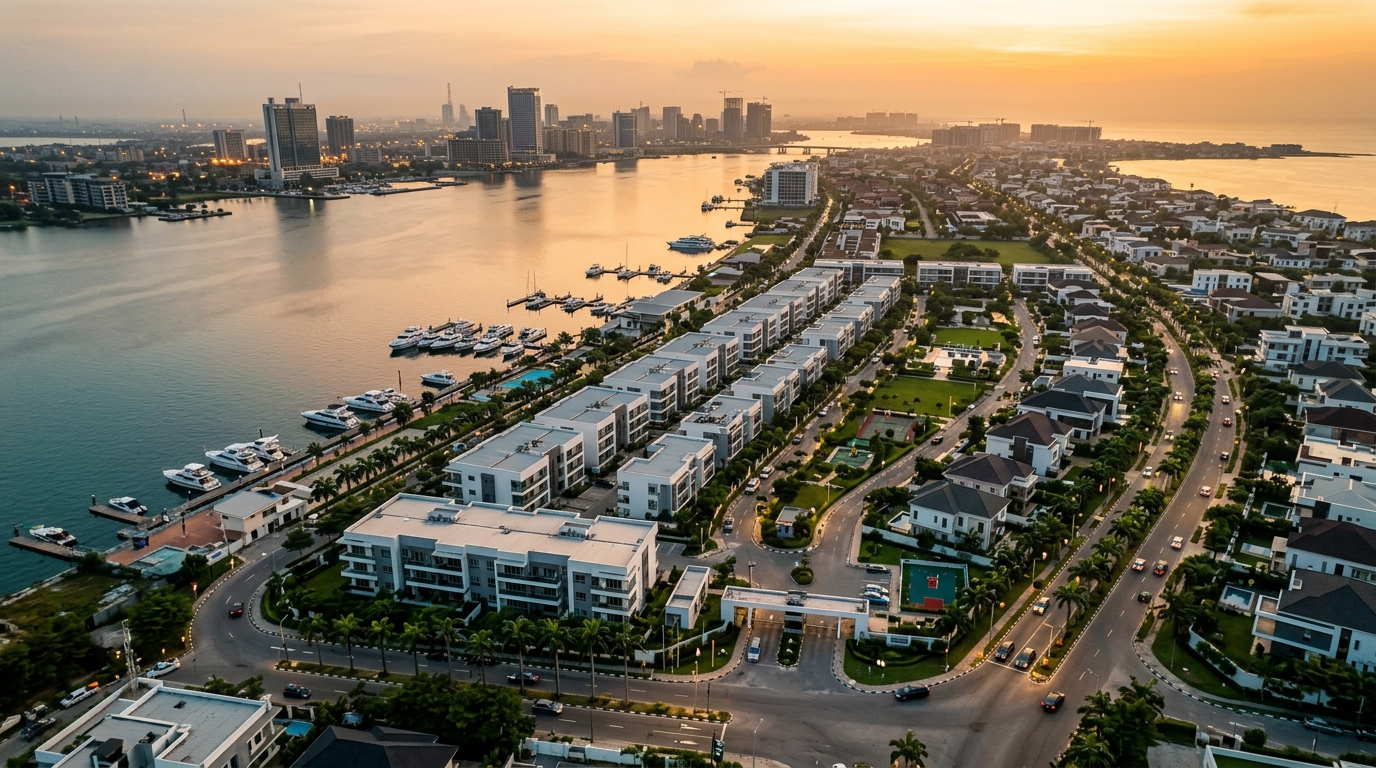

Can Foreigners Buy Property in Nigeria? 2026 Guide
Yes, foreigners can buy property in Nigeria, but rarely outright. Under the Land Use Act, you hold a right of occupancy of up to 99 years, and most international and diaspora investors buy through a Nigerian company that can be 100% foreign owned. This 2026 guide explains the law, Governor’s Consent, the documents to verify, the taxes and fees that apply, and how to purchase safely, even from abroad.
05, Jun 2026

12 Point Checklist For Buying Off-Plan Properties In Nigeria
A complete 12-point checklist for buying off-plan property in Nigeria. Covers title verification, LASRERA registration, Purchase Agreements, escrow payments, and infrastructure obligations — with market data for Lagos and Abuja.
22, May 2026


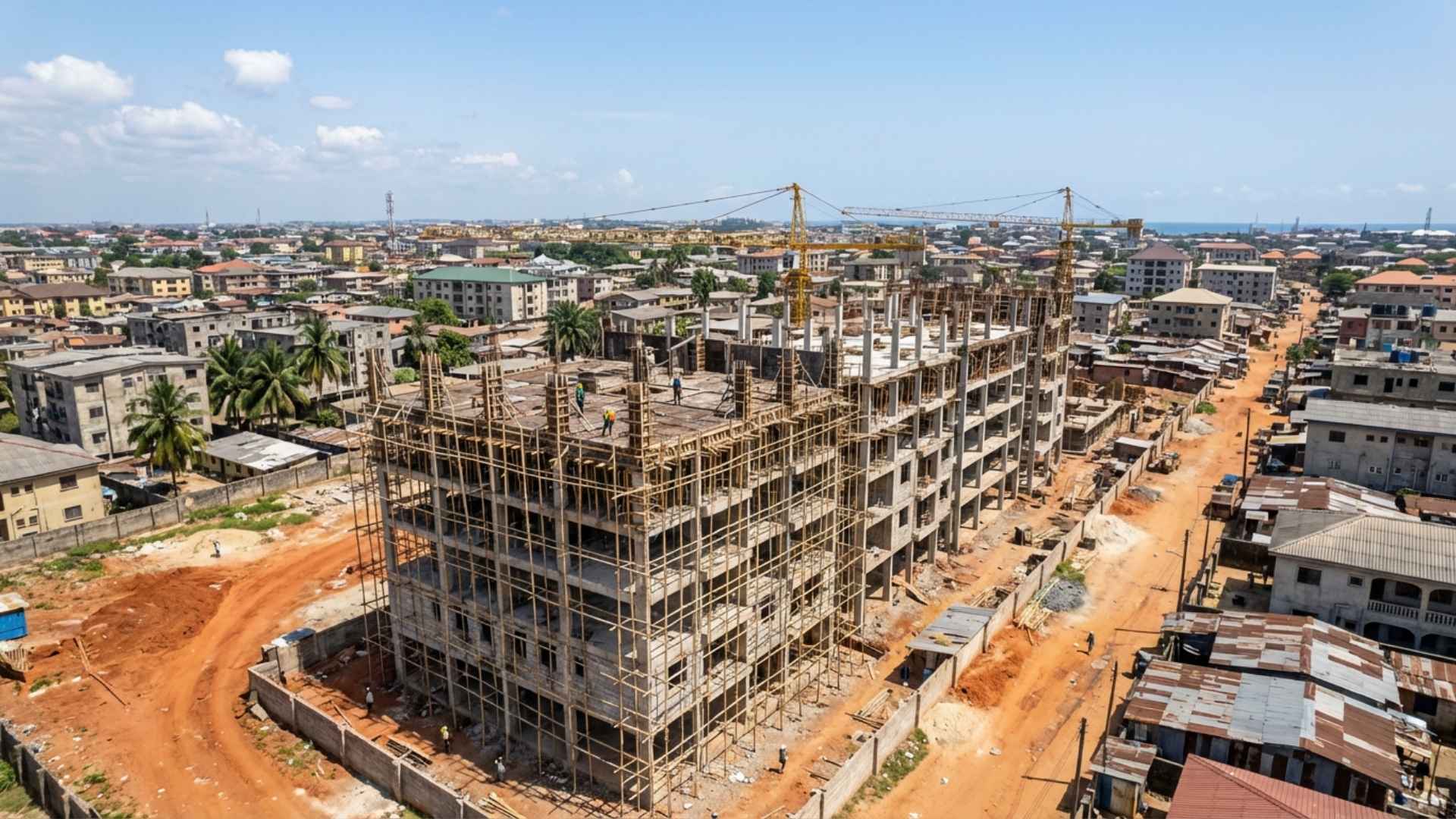
Nigeria Real Estate Overtakes Oil: A Seismic Shift for Investors
It’s official: real estate has nudged aside oil and gas in Nigeria’s economic hierarchy. According to the 2025 National Bureau of Statistics (NBS) rebasing report, the sector is now the nation’s third-largest economic engine, sitting just behind crop production and trade.
10, Apr 2026