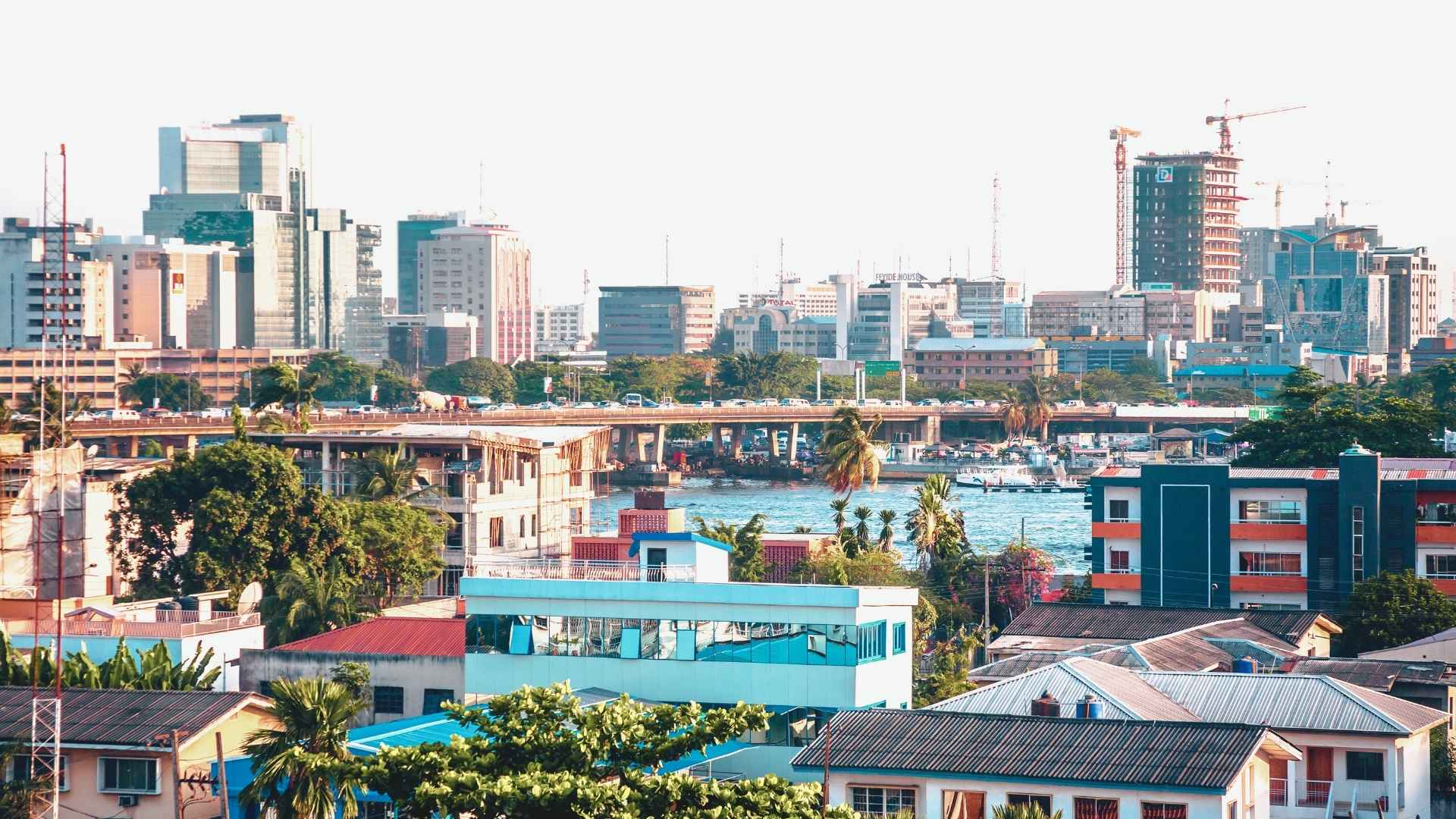
Foreign Direct Investment in Nigerian Real Estate: Why the Diaspora Is Now the Story
 13, Apr 2026

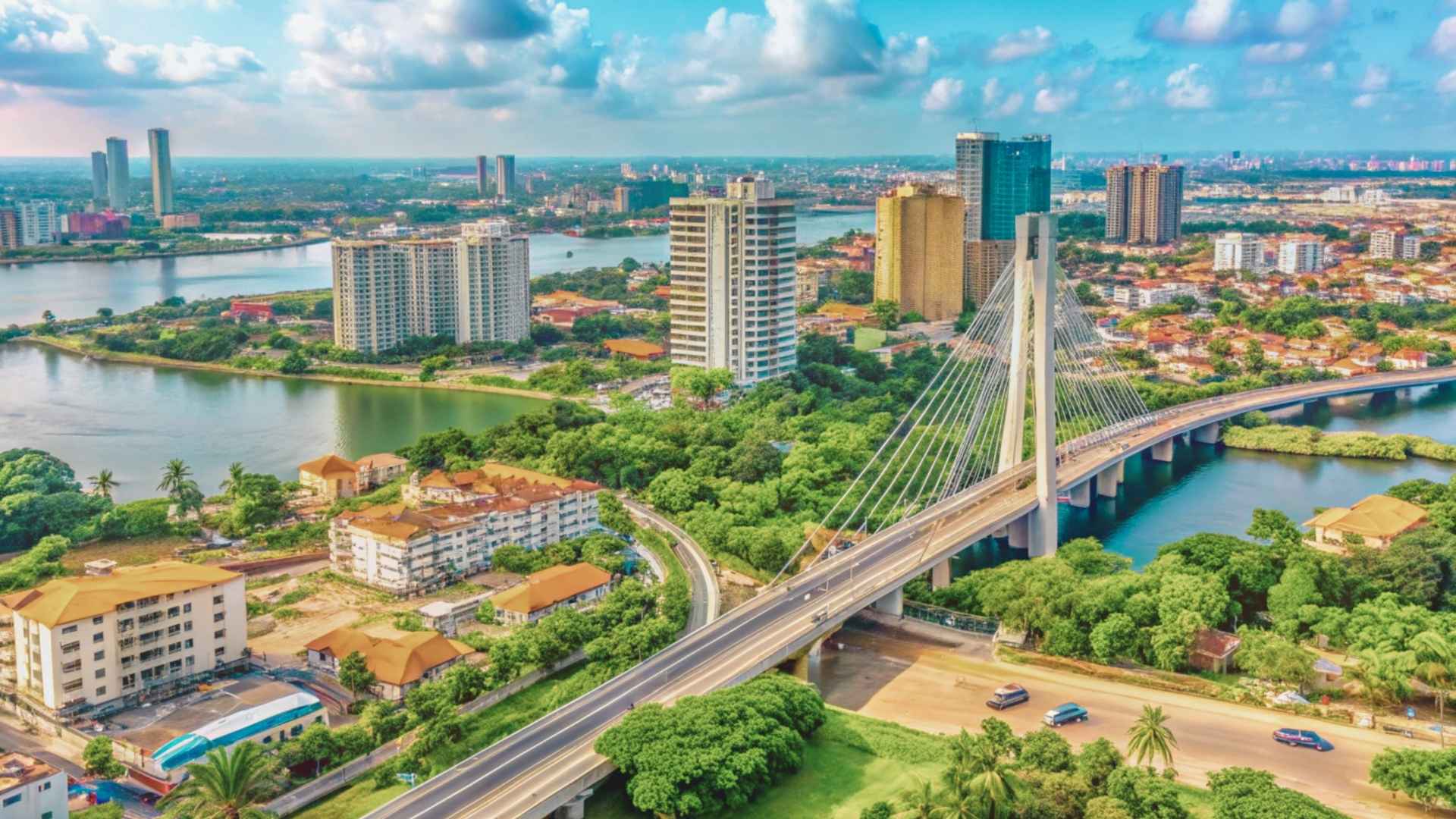
When analysts discuss foreign direct investment in Nigerian real estate, they tend to focus on institutional capital, multinational funds, corporate inflows, sovereign money. That is the wrong number to watch.
According to the National Bureau of Statistics, Nigeria’s FDI in 2025 came in at $923 million, just 3.97% of total capital importation (Source: Nairametrics). In the same year, diaspora remittances were projected to hit $23 billion, making Nigeria the largest recipient of remittances in Sub-Saharan Africa, accounting for over 35% of total flows to the region (Source: The Sun). That is roughly 25 times more than formal FDI. The real foreign investment story is not in the institutional data. It is in what Nigerians abroad are sending home, and where it is going.
FDI as We Knew It Is Not the Dominant Force
Institutional FDI goes where risk-adjusted returns are cleanest. Nigeria’s currency volatility, infrastructure gaps, and regulatory history have kept large foreign funds cautious. Portfolio investment made up over 85% of Nigeria’s total capital importation in 2025, short-term, yield-seeking, and quick to exit when conditions shift (Source: Nairametrics).
Diaspora capital works differently. An estimated 70% of active real estate investment in Nigeria’s prime urban corridors now comes from Nigerians in the UK, North America, and the Gulf. These are not passive transfers covering living expenses. This is deliberate property acquisition by investors with hard-currency income and a personal stake in the Nigerian market.
Why Diaspora Capital Behaves Differently
When the Naira weakens, institutional investors reduce exposure. Diaspora investors do the opposite.
For a Nigerian professional earning in Dollars or Pounds, Naira depreciation is a discount, not a deterrent. A property in Lekki priced in Naira becomes cheaper in hard-currency terms when the exchange rate moves. The same flat that cost the equivalent of $60,000 two years ago may price closer to $42,000 today in Dollar terms. That is not a risk signal to a diaspora buyer. That is a buy window.

The World Bank estimates total Nigerian remittances, formal and informal, at $20 to $25 billion annually, underscoring their role as a countercyclical source of foreign exchange (Source: World Bank). By 2026, a growing share of that capital has shifted from household support to structured wealth building, short-let apartments, managed residential estates, and buy-to-let positions in high-growth corridors.
The Trust Gap Is Closing
Two problems kept diaspora capital out of Nigerian property for years: no transparency and no formal channel.
The transparency problem is largely solved. PropTech platforms now offer live construction monitoring, digitally verified documentation, and blockchain-secured title verification through state portals. What once required a trusted contact on the ground can now be verified remotely in minutes, closer to how the Dubai market operates than how Nigerian real estate worked a decade ago.
The Non-Resident Nigerian Investment Account (NRNIA), which became operational on 1 January 2025, gives diaspora investors a formal, regulated channel to invest in Nigerian assets directly in either foreign currency or Naira, without routing funds through relatives or informal networks (Source: Banwo & Ighodalo). Combined with the Nigeria Tax Act 2025, investing back home is now a tax-advantaged financial strategy, not an informal obligation.
The CBN has described diaspora remittances as a crucial source of foreign exchange, supplementing both foreign direct investment and portfolio investments (Source: CBN). That framing has shifted from policy aspiration to operational infrastructure.
What It Means for the Market
Diaspora buyers have international reference points. They know what well-finished property looks like in London or Dubai. When they allocate capital to a Nigerian development, those expectations come with the cheque. Developers who want this buyer pool now deliver smart home technology and solar-first infrastructure as standard inclusions, not optional upgrades.
Formal remittance inflows rose by 44.5% in 2024 to $4.76 billion through official CBN channels alone, with monthly inflows reaching approximately $600 million by mid-2025 (Source: Legit.ng). The informal flows sitting on top of that figure are harder to quantify but consistently estimated to be significantly larger.
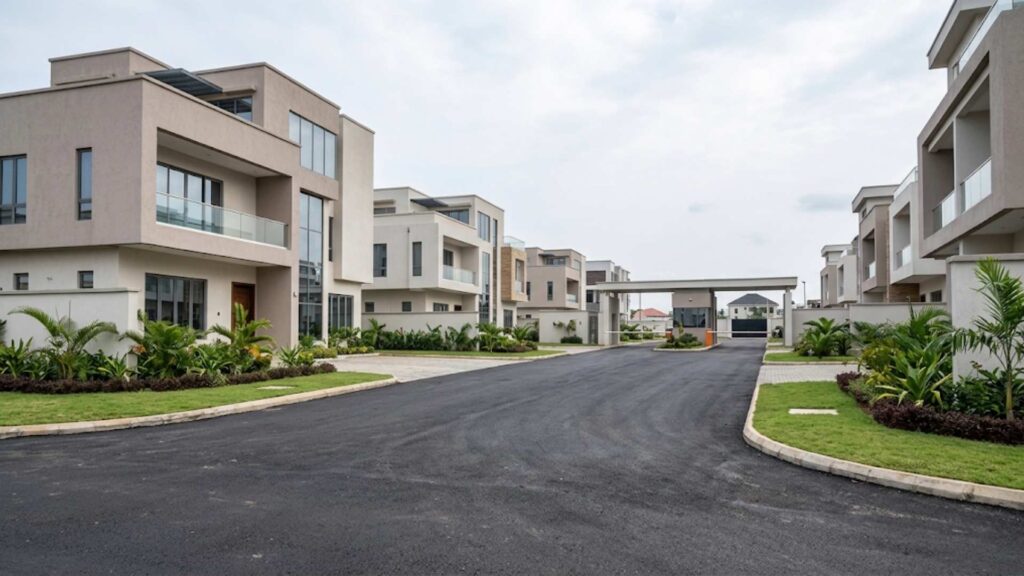
Traditional FDI will build infrastructure. The diaspora is building the cities. For anyone tracking where real estate capital is actually coming from in Nigeria right now, those two sentences are the whole story.
 Social Share:





Can Foreigners Buy Property in Nigeria? 2026 Guide
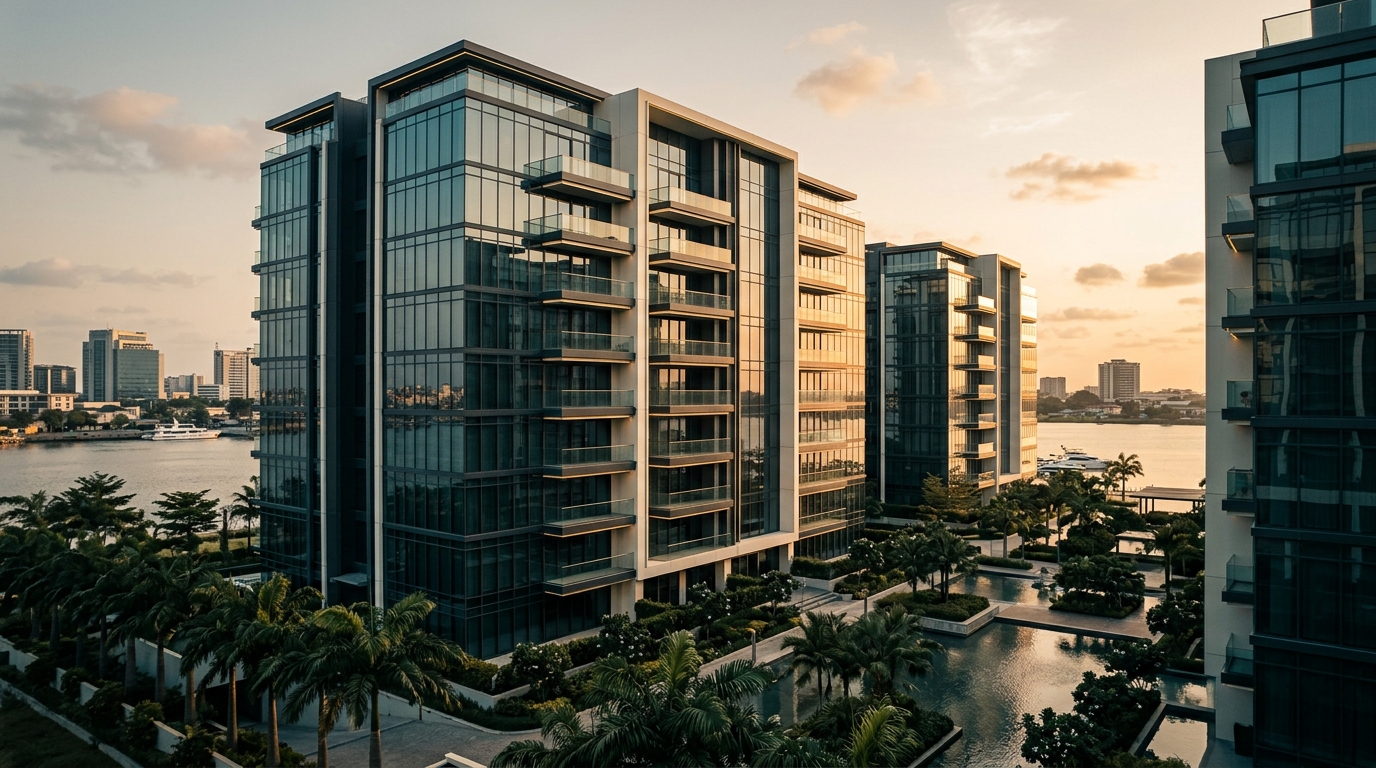
Yes, foreigners can buy property in Nigeria, but rarely outright. Under the Land Use Act, you hold a right of occupancy of up to 99 years, and most international and diaspora investors buy through a Nigerian company that can be 100% foreign owned. This 2026 guide explains the law, Governor’s Consent, the documents to verify, the taxes and fees that apply, and how to purchase safely, even from abroad.
05, Jun 2026
12 Point Checklist For Buying Off-Plan Properties In Nigeria
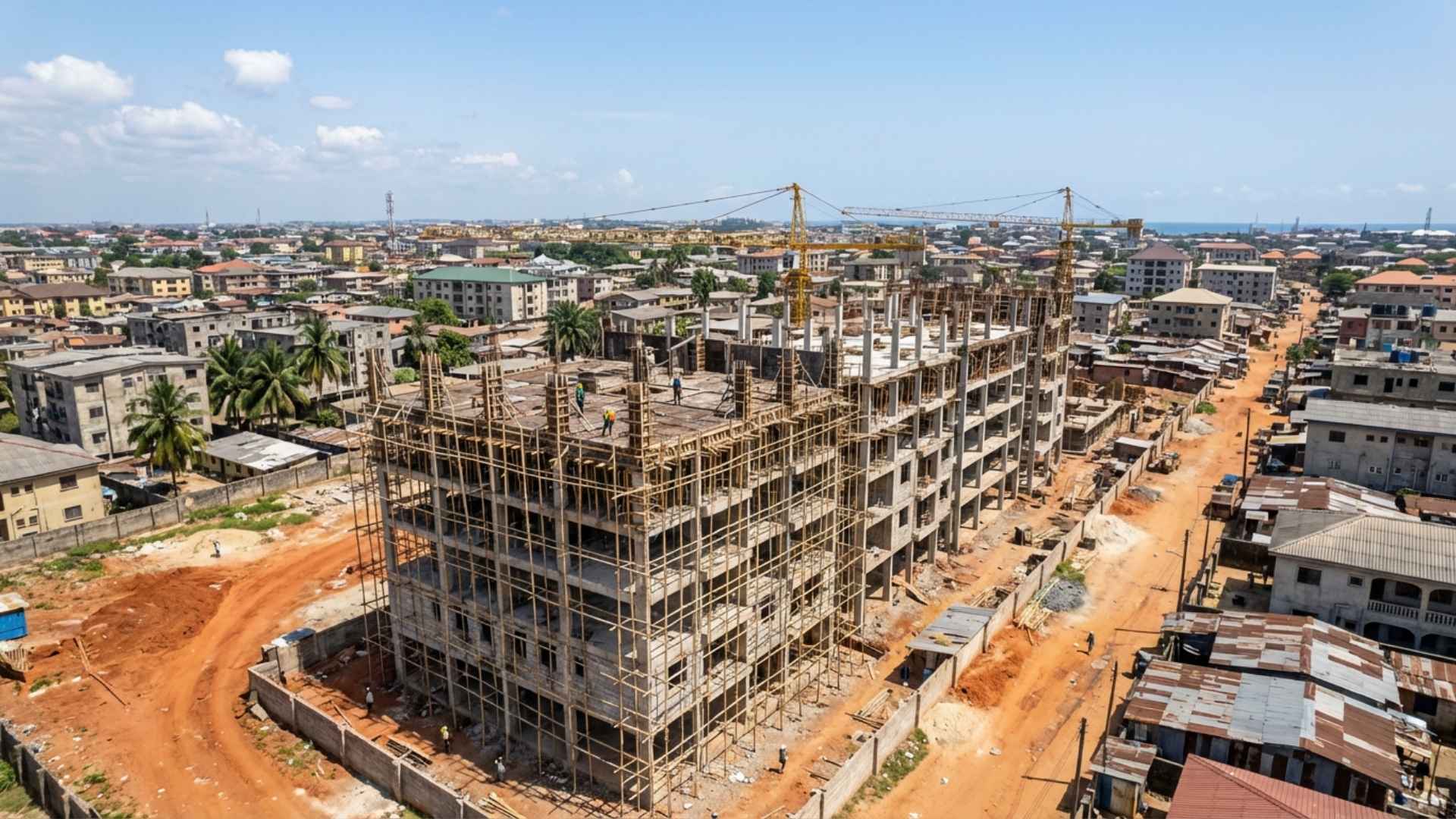
A complete 12-point checklist for buying off-plan property in Nigeria. Covers title verification, LASRERA registration, Purchase Agreements, escrow payments, and infrastructure obligations — with market data for Lagos and Abuja.
22, May 2026


Nigeria Real Estate Overtakes Oil: A Seismic Shift for Investors
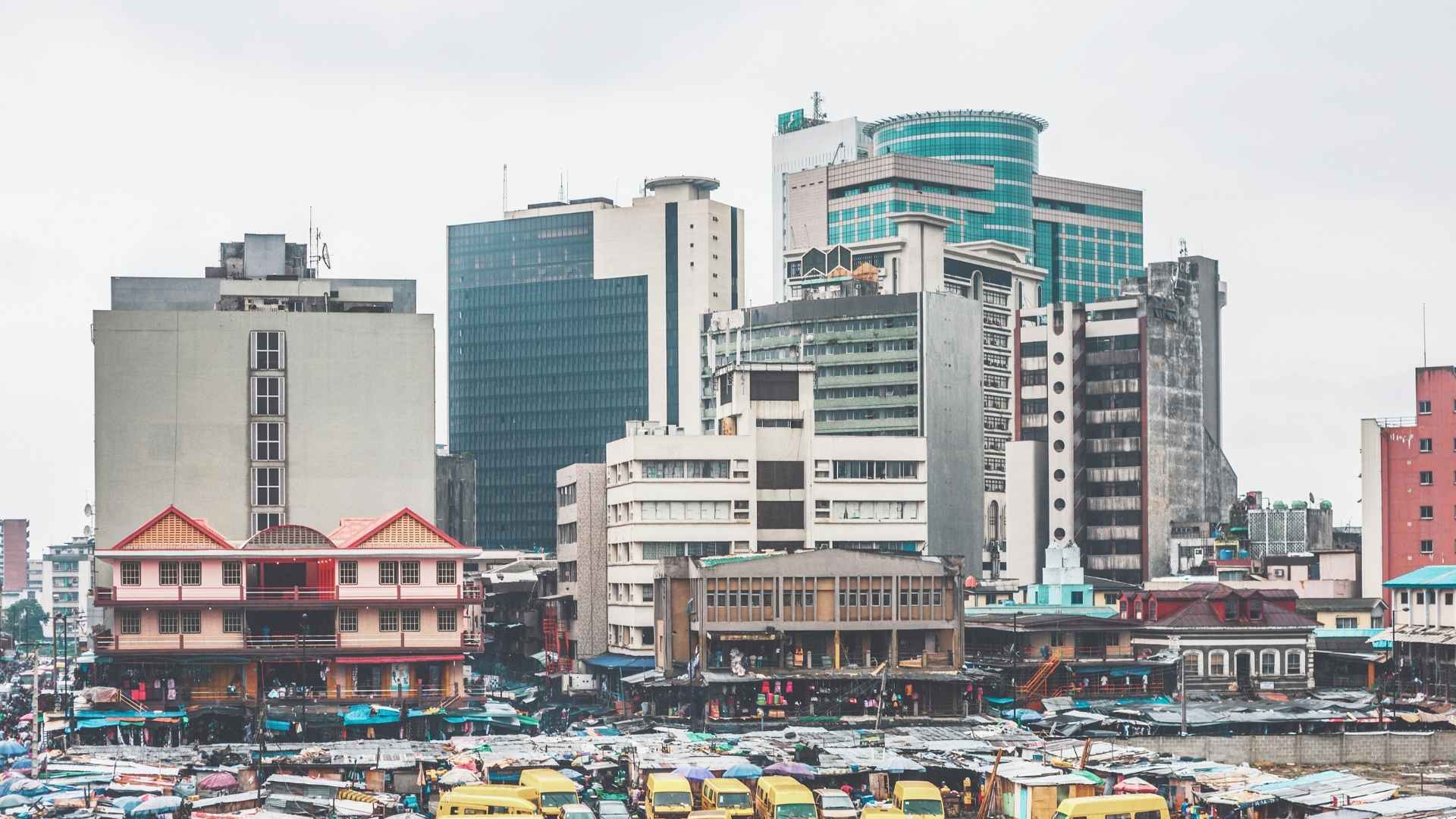
It’s official: real estate has nudged aside oil and gas in Nigeria’s economic hierarchy. According to the 2025 National Bureau of Statistics (NBS) rebasing report, the sector is now the nation’s third-largest economic engine, sitting just behind crop production and trade.
10, Apr 2026