
Nigeria’s Housing Deficit 2026: The $15 Billion Investment Opportunity
 07, Apr 2026

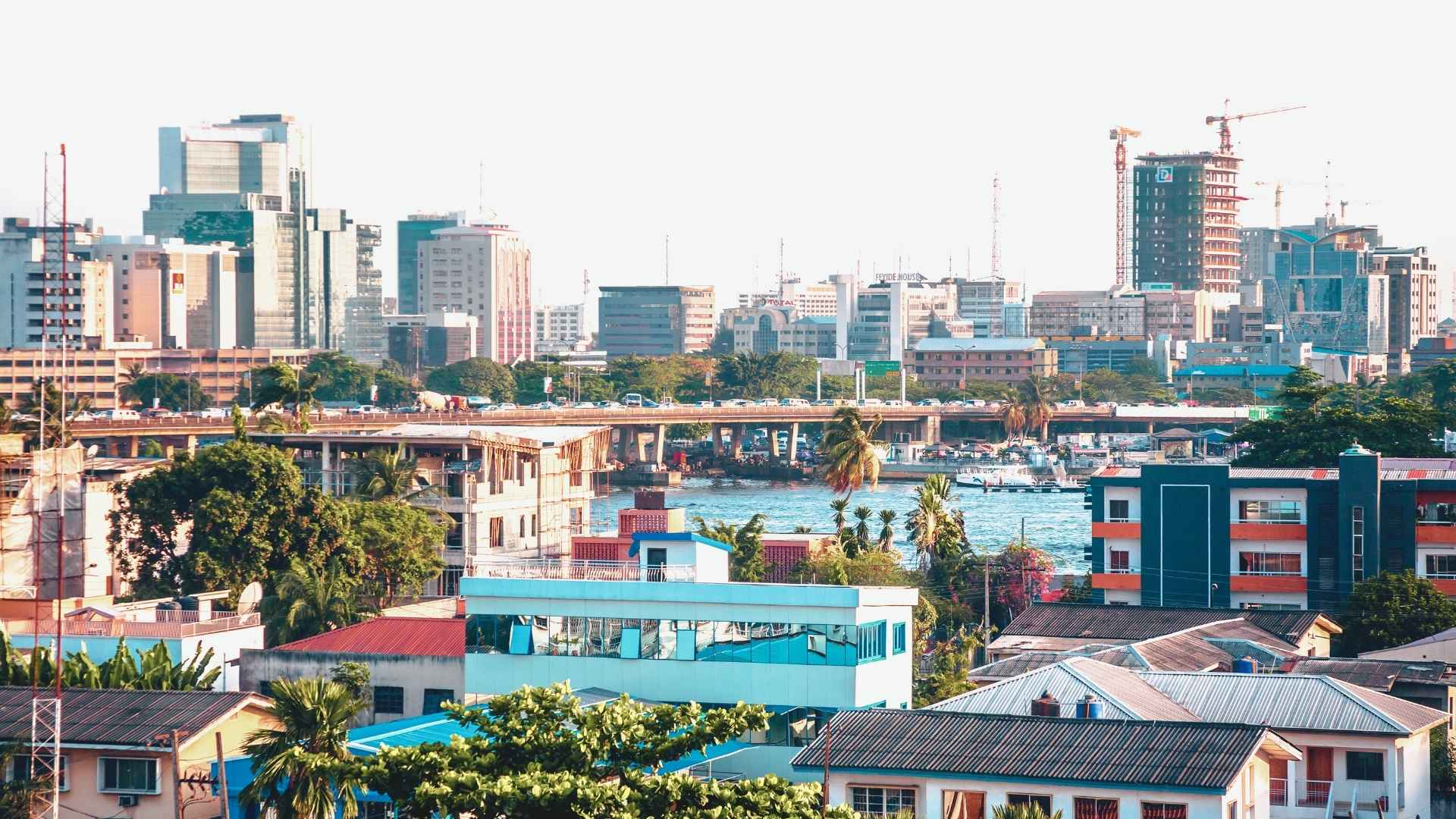
Nigeria’s National Housing Data Technical Committee has released data on the housing sector of Nigeria recently in January 2026. The data says Nigeria has a housing deficit of 14.925 million units, it shows how many ready-to-move-in houses are there in the market now and how much is needed for people to buy. It’s a huge gap.
The figure shows that housing demands are very high in the Nigerian market, higher than any other market in Africa. Approximately ₦21 trillion ($15 billion) is needed to address this (Source: Punch Newspapers). Seems there is a huge investment opportunity in the real estate sector of Nigeria, a market size like never before. For investors, developers, and strategic buyers, understanding this gap and filling this demand is a real opportunity. Returns here are backed by actual demand.
What the Housing Deficit Actually Means
The population of Nigeria is more than 228 million people and is currently identified growing at the rate of 2.5% annually. If we look at the major cities in Nigeria, they have noted a growth rate of 4.3% annually, which is one of the fastest growing rates compared to the global average. Lagos alone has noted taking in nearly 6,000 new residents a day.
The annual demand for houses in Nigeria is estimated at nearly 900,000 units, but the current volume of housing units delivered in the Nigerian market is less than 700,000 as of 2025. This gap is increasing every year. In 2026 the government of Nigeria released new data that says among the constructed residential units, around 15.2 million units face lack of quality, safety, and proper living conditions (Source: Federal Ministry of Housing and Urban Development). That means there is a challenge and also an opportunity, new quality units are needed and the current stock needs fixing.
Lagos has reported an estimated current requirement of 3.4 million units according to the data (Source: Housing TV Africa). This is one of the primary reasons why rental prices are increasing in the area so aggressively. The demand for well-maintained rental properties is very high and current inventory is very poor, this is a huge unmet gap. This is also one of the reasons land in Lagos is very expensive, and even periods of broader economic uncertainty have not stopped prices from going up.
The undersupply of housing units in Nigeria is not a speculative statistic. It is the major reason the Nigerian real estate sector keeps growing as an opportunity for investors, and why prices of land and housing units keep going higher. Investors who decide to operate in this market aim to receive potential benefits in the longer term because prices are expected to rise in all scenarios, whether it be sales, lease, or rentals, because the supply and demand gap is real.
What the Government Is Doing About It
The Federal Government of Nigeria has launched the Renewed Hope Cities and Estates Programme, which will run and deliver across three tiers. Renewed Hope Cities are large-scale integrated communities which will be delivered in major geopolitical zones of Nigeria. Renewed Hope Estates are smaller 250-unit developments delivered across 30 states. The Social Housing component targets 100 homes in each of Nigeria’s 774 local government areas, a potential 77,400 units nationally. (Source: Federal Ministry of Housing and Urban Development)
By late 2025, this initiative had started across 14 states and the Federal Capital Territory, with the programme reaching 150 communities and creating over 250,000 construction and support jobs. Government price points target ₦8.5 million for one-bedroom units, ₦11.5 million for two-bedroom, and ₦12.5 million for three-bedroom properties.
Lagos State separately has committed to a ₦50 billion scheme targeting 10,000 affordable homes, with its Lagos HOMS mortgage programme giving financing at 6% interest. Between 2019 and 2025, Lagos delivered over 9,000 housing units across 21 estates. These are real delivered units, not just announced numbers. (Source: Vanguard)
Where the Investment Opportunity Actually Sits
A big unmet demand in Nigeria is in the affordable and mid-market segment, properties priced between ₦8 million and ₦35 million. This is where Nigeria’s working population lives and rents. Teachers, young professionals, civil servants, small business owners. They need housing, they can pay for housing, there just isn’t enough of it.
In Lagos, areas like Ibeju-Lekki, Epe, and the Lekki-Epe corridor are getting a lot of developer attention right now. The Lekki Deep Sea Port is a notable driver, with infrastructure & land value following it upwards. Abuja, Kubwa and Lugbe are seeing strong demand from young professionals and civil servants who want quality homes at prices that make sense.
Land banking is one of the most established investment approaches in Nigeria. Buy land in a corridor where infrastructure is confirmed and upcoming, hold it through the development cycle, and sell or build after the value has moved in your favour. It has produced some of the best long-term returns in this market. The keyword is confirmed, the infrastructure has to actually be coming, not just rumoured.
Build-to-rent is also growing. There is a large population of Nigerians in their late 20s and 30s who wish to buy, and earn enough to pay good rent for a properly managed apartment. Very few quality options exist for this group right now. Jodoa Properties, is a developer who builds for these tenants in the UK and UAE, and are entering the Nigerian market with confidence.
Government Financing Opportunities
The MOFI Real Estate Investment Fund launched in 2025 offers mortgages at a fixed 9.75% interest rate (Source: Ministry of Finance Incorporated (MOFI)). Commercial banks in Nigeria charge between 20% and 28%. That difference is sometimes the difference between most people qualifying for a mortgage and most people not qualifying.
By the end of 2025, MOFI had paid out ₦70.72 billion across 1,082 mortgages in 21 states, through eighteen partner banks. The Federal Mortgage Bank of Nigeria’s National Housing Fund goes further, with 6% fixed interest, up to ₦50 million loan value, and a 30-year repayment period. NHF collections reached ₦152.4 billion in 2025, which is 48% higher than the year before.
More people qualifying for mortgages means more buyers in the market. For investors and developers this means a clearer exit when a project is completed, and stronger rental demand from people who are working toward ownership but not there yet.
How to Get Started
Knowing the macro picture is only the first step. The real work is knowing which specific corridors have actual infrastructure behind them versus which ones are just talked about, which developers have real completion records, and which price points are moving in the current market.
At Jodoa Properties, our Nigeria advisory team works closely with our investors at every stage, from understanding the market to assessing specific projects to completing transactions. Whether you are looking at land banking, off-plan investment, or ready property, we provide the guidance you need. Reach out at jodoaproperties.com/ng/contact-us/ or 0700 225 5636 to get started.
 Social Share:

More Like This



Can Foreigners Buy Property in Nigeria? 2026 Guide
Yes, foreigners can buy property in Nigeria, but rarely outright. Under the Land Use Act, you hold a right of occupancy of up to 99 years, and most international and diaspora investors buy through a Nigerian company that can be 100% foreign owned. This 2026 guide explains the law, Governor’s Consent, the documents to verify, the taxes and fees that apply, and how to purchase safely, even from abroad.
05, Jun 2026
12 Point Checklist For Buying Off-Plan Properties In Nigeria
A complete 12-point checklist for buying off-plan property in Nigeria. Covers title verification, LASRERA registration, Purchase Agreements, escrow payments, and infrastructure obligations — with market data for Lagos and Abuja.
22, May 2026


Nigeria Real Estate Overtakes Oil: A Seismic Shift for Investors
It’s official: real estate has nudged aside oil and gas in Nigeria’s economic hierarchy. According to the 2025 National Bureau of Statistics (NBS) rebasing report, the sector is now the nation’s third-largest economic engine, sitting just behind crop production and trade.
10, Apr 2026