International Real Estate Companies: Dubai Investment Guide
 28, Dec 2025
 international real estate companies

International real estate companies are paying closer attention to Dubai, and for good reason.
The city’s property market has become a hub for overseas investors looking for stable growth, clear legal structures, and year-round demand. You’re not just buying a home. You’re entering a regulated market with accessible entry points, no capital gains tax, and the option to hold full ownership as a non-resident.
This guide breaks down how international real estate companies work in Dubai, what to expect as a buyer, and how to choose the right platform or partner if you’re investing from abroad.
Who this market attracts
Dubai’s real estate market is built for global reach.
It draws investors from the UK, Europe, the Middle East, Asia, and Africa. Some are looking for second homes. Others want rental income. Many are international brokers looking for reliable projects to offer their clients.
What makes Dubai appealing:
- No income or capital gains tax on property
- Freehold ownership allowed for non-residents
- Regulated transaction process through the Dubai Land Department
- Strong rental demand across residential and holiday segments
You don’t need residency. You don’t need to speak Arabic. And you don’t need a local partner. You just need to understand where and how to buy.
Foreign investors often work through international real estate companies that simplify cross-border transactions. Many of these firms are based in Dubai, while others operate from the UK, Nigeria, or Asia, acting as direct liaisons between global buyers and Dubai-based opportunities.
What makes Dubai different?
Dubai isn’t just another global city.
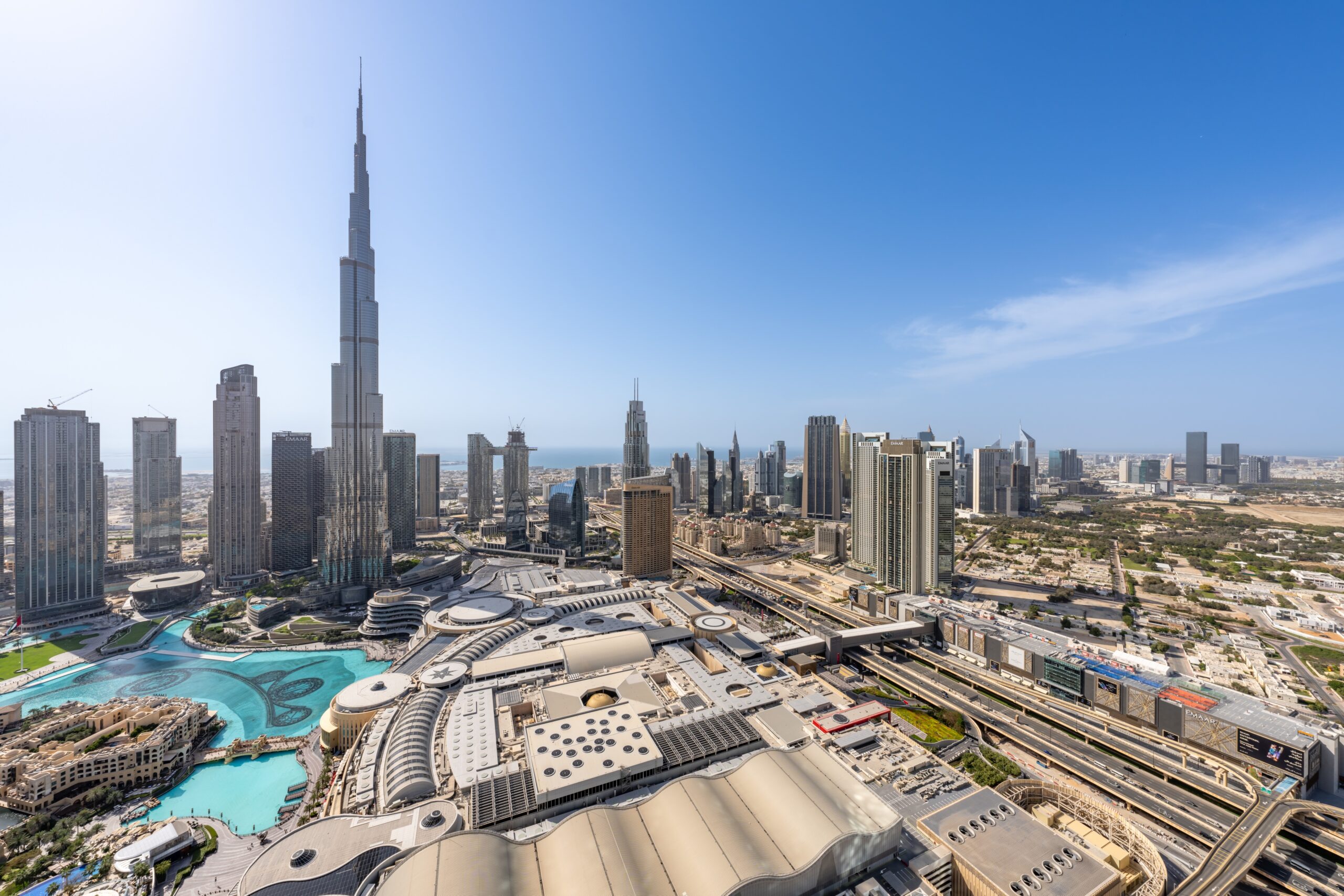
The property market is structured to welcome foreign buyers. You get full ownership rights in designated freehold zones. These include high-demand areas like Downtown Dubai, Business Bay, and Dubai Marina.
Transaction times are fast. Fees are predictable. Legal processes are clearly defined.
You won’t face restrictions that are common in other countries. There are no foreign ownership caps, no hidden taxes, and no complex legal barriers.
The government supports real estate as a long-term growth sector. Infrastructure spending, visa programs, and regulation all reinforce stability.
For international real estate companies, this provides a predictable, transparent market they can confidently bring their clients into. The rules are known. The risks are clear. That makes the market easy to work with at scale.
Types of companies in the market
You’ll find several types of international real estate companies active in Dubai. Each serves a specific investor profile.
Some work exclusively with high-net-worth individuals. Others focus on first-time buyers or overseas professionals looking for rental income. Most firms fall into one of these categories:
- Brokerage firms: Handle property sourcing, price negotiation, and paperwork. Some specialise in off-plan developments or luxury projects.
- Property management companies: Help buyers lease and maintain their property. Useful for international owners who want passive income.
- Developer-affiliated agencies: These work with one or two developers, offering access to exclusive units.
- Tech-based platforms: Companies like Jodoa offer fractional ownership, targeting investors who want low-barrier entry and digital access.
Each type brings something different to the table. You’ll need to match the service to your investment goals and risk tolerance.

Not all international real estate companies offer the same value. When choosing who to work with, your focus should be on clarity, access, and accountability.
Ask the right questions up front:
- Do they specialise in Dubai property or work across multiple markets?
- Can they provide ownership documentation and legal transparency?
- Are they licensed with Dubai’s Real Estate Regulatory Agency (RERA)?
- Do they offer support beyond the sale, such as property management or resale assistance?
If you’re investing remotely, digital tools also matter. Look for companies that provide:
- Online dashboards to track your investment
- Secure document signing
- Direct communication with developers
Platforms like Jodoa cater to these needs. Their model includes registered property shares, clear exit strategies, and investor visibility across every project phase.
How to start investing from abroad
Investing from outside the UAE doesn’t mean being left in the dark. Many international real estate companies in Dubai have built systems that work for remote buyers.
Start with the basics:
- Identify your investment goal. Is it rental income, long-term capital growth, or a mix?
- Choose a property type and budget range.
- Confirm eligibility as a foreign investor (most freehold zones accept international buyers).
- Review legal requirements and required documents.
Then, choose a company that supports you remotely:
- Virtual tours or project walk-throughs
- Legally compliant contracts you can review and sign online
- Transparent pricing with no hidden costs
- A clear process for title registration and ownership transfer
Companies like Jodoa offer step-by-step onboarding with dedicated support. You can complete the full investment process online, backed by local legal frameworks.
Market Activity & Trends in 2025
The Dubai market is growing fast. In the first half of 2025, real estate deals crossed $117 billion, a 25% year-on-year increase in transaction volume. During Q1 2025, there were over 42,000 residential sales, up 23% from the same period last year. Total transaction value hit AED 114 billion.
A significant portion of the activity is coming from off-plan projects. Over 69% of units sold were off-plan, with more than 29,000 properties purchased before completion. Rental yields are also drawing attention. Areas like JVC and Dubai South offer gross yields between 7.5% and 8%, outperforming the UAE average of 4.87%.
To meet demand, developers are accelerating delivery. Around 76,000 new residential units are scheduled for completion by the end of 2025, with over 182,000 planned through 2026.
These market signals matter to both buyers and brokers. For international real estate companies with clients looking at Dubai, understanding these trends is critical to staying competitive.
Investor profiles and buyer origins
Dubai’s property market is still one of the most international in the world. More than 40% of properties are owned by non-residents. Foreign demand continues to rise in 2025, led by buyers from India, the UK, and Italy. These nationalities consistently rank among the most active in Dubai’s residential sector.
While exact rankings vary by agency, the broader trend is clear: Dubai remains a preferred market for international investors. This creates an opportunity for international real estate companies who can bridge the gap between global buyers and Dubai-based assets.
At the same time, expectations are shifting. Buyers are looking for faster responses, better legal clarity, and full visibility on fees, timelines, and handover dates.
To raise the standard, the Real Estate Regulatory Agency (RERA) has introduced new rules. All agents must now pass a regulatory exam and maintain active licenses under tighter conditions. This push for regulation reflects the maturing of the market. Buyers are more informed, and they expect the same from the firms they deal with.
Where international real estate companies fit in
If you manage overseas clients or operate across borders, Dubai remains a strong opportunity. The city’s market is liquid, well-regulated, and open to non-resident buyers. Transaction times are short, yields are competitive, and property rights are clearly defined.
But expectations are changing. Your clients want structure, legal confidence, and local guidance they can trust.
This is where international real estate companies can do more than just close deals. You can become the local partner that helps buyers move faster, navigate regulations, and avoid common mistakes.
Dubai-based platforms like Jodoa are helping global brokers and clients make this transition. With a digital-first model, they simplify everything from due diligence to fractional ownership.
That clarity builds trust. And trust moves deals forward.
If you’re working with clients who are thinking about Dubai, it’s time to take a closer look at how your firm fits into this market.
 Social Share:
-

-

-