Dubai Property Investment Portfolio: How to Build Wealth
 16, Feb 2026
 property investment portfolio

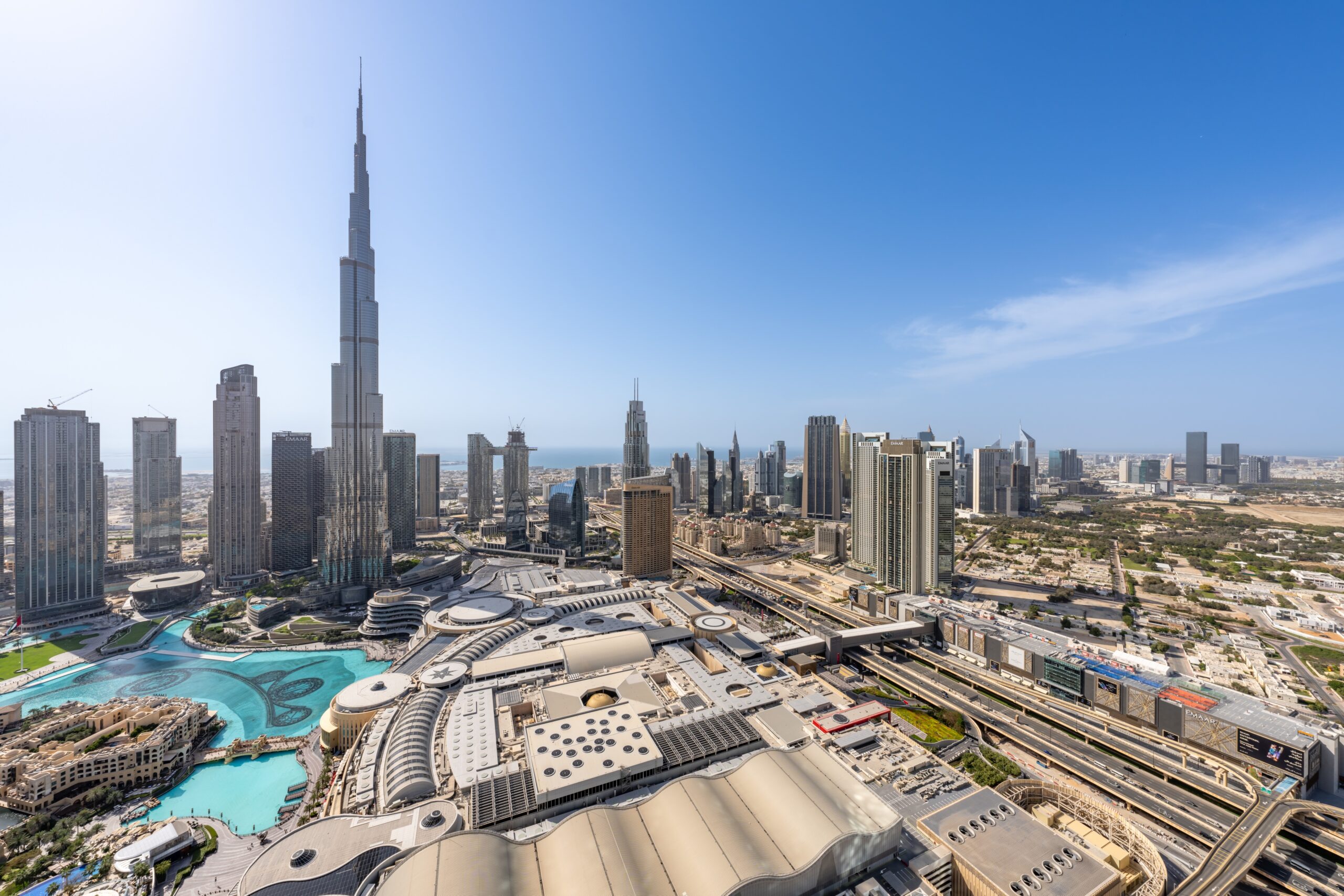
Building a strong property investment portfolio in Dubai is about more than buying a single unit. It’s about creating a structured, strategic plan that balances income, growth, and long-term security.
Dubai continues to stand out globally for its investor-friendly environment. With average rental yields sitting around 7.2% in early 2025, the city consistently outperforms many established markets. Foreign ownership rules remain open, tax policies are clear, and transaction volumes have grown steadily year on year. These factors give investors a stable base when shaping a Dubai real estate investment portfolio.
For advanced investors, Dubai offers flexibility to scale. For new investors, it offers a clear, transparent path to entry. Whether you’re focused on cash flow, capital appreciation, or both, the right approach can turn a single property into a growing asset base.
This guide breaks down how to build a well-balanced portfolio, step by step, so you can invest with confidence and clarity.

Dubai has earned a strong reputation among global investors for its clear ownership laws, high rental yields, and fast-moving property market. What sets it apart is a mix of consistent demand and flexible entry options, which makes it an attractive base for anyone building a property investment portfolio in Dubai.
Unlike many cities where foreign ownership can be complex or restricted, Dubai allows non-residents to buy freehold property in designated zones. This makes it easy to structure a property investment portfolio that fits different goals, whether it’s income generation or capital growth.
Another major advantage is the city’s tax structure. There’s no property tax or capital gains tax on real estate, which means investors keep more of their returns. Demand is driven by a growing expat population, global connectivity, and ongoing infrastructure development. These factors also support investors exploring how to invest in Dubai property with a clear legal framework.
But understanding why Dubai is attractive is just the start. The real value lies in knowing how to approach your investment journey strategically.
Step 1: Define your investment objectives
Before building a property investment portfolio, you need a clear plan. This means deciding what kind of investor you want to be and what outcomes matter most. Are you looking for steady rental income, long-term capital growth, or a mix of both? Your answer will shape everything else.
Many investors start with one of these three paths:
- Income-focused: Prioritising monthly rental returns through ready units in high-demand areas.
- Growth-focused: Targeting off-plan or developing areas with future appreciation potential.
- Hybrid: Combining both to balance income and value growth.
Dubai makes this decision simpler thanks to its transparent market data, accessible entry points, and flexible investment models. For example, some investors choose to begin with a fractional share, while others buy a full unit in an emerging neighbourhood. This applies to anyone exploring how to invest in Dubai property with a long-term plan in mind.
Why this matters for your portfolio:
Clear objectives stop you from buying on impulse. They help you pick assets that match your income target, risk tolerance, and long-term strategy, which leads to a stronger and more consistent portfolio.
Step 2: Set your budget and financing structure
Once your goals are clear, the next step in building a property investment portfolio is defining how much you can invest and how you plan to finance it. Dubai offers flexible options that can fit different investor profiles, from cash buyers to those using mortgage financing.
For many investors, a budget of AED 500,000 to AED 1 million can open the door to well-performing apartments in mid-prime communities. For higher capital allocations, townhouses and villas can offer stronger long-term growth.
Typical costs you should factor in include:
- 4% DLD fee (Dubai Land Department)
- 2% agency commission (average)
- 1–2% bank mortgage arrangement fees (if applicable)
- Service charges that vary by area and property type
Understanding your financing options is key. Foreign buyers can access mortgages with loan-to-value ratios of up to 50–60%, while UAE residents can often secure up to 75–80%. Clear financial planning helps you structure a portfolio that grows without overextending your capital. This stage is also a key part of any solid Dubai real estate investment portfolio, especially if you plan to scale over time.
Why this matters for your portfolio:
A defined budget keeps your decisions grounded. It prevents overstretching, helps you plan realistic returns, and ensures every asset strengthens your long-term position rather than adding financial pressure.
Step 3: Choose the right location
Location plays a major role in the performance of any property investment portfolio. The right area can drive higher yields, stable occupancy, and long-term value growth. Dubai’s property market gives investors a wide range of zones, each serving different investment goals.
For entry-level investors, mid-prime communities such as Jumeirah Village Circle (JVC), Arjan, and Dubai Hills Estate offer strong rental demand and consistent returns. These areas attract young professionals and families looking for modern, well-priced housing.
For those targeting premium growth, established communities like Downtown Dubai, Dubai Marina, and Business Bay remain top choices. Properties in these areas may cost more upfront, but they benefit from prime locations and a strong resale market.
If you’re focused on off-plan opportunities, emerging zones such as Dubai South and Meydan are gaining traction. They offer lower entry points with the potential for capital appreciation as infrastructure and amenities develop.
When selecting a location, consider three factors:
- Rental demand: Look at who lives and rents in the area.
- Future infrastructure: New transport links and amenities can raise property values.
- Exit options: Established areas are often easier to resell.
A clear understanding of location dynamics is one of the foundations of a strong Dubai real estate investment portfolio, especially for investors who plan to scale over time.
Why this matters for your portfolio:
The right location protects your income and boosts long-term growth. Strong demand, steady occupancy, and healthy resale activity give your portfolio stability while reducing risk.
Step 4: Select the right property type
The type of asset you choose shapes the direction of your property investment portfolio. Each category comes with its own entry cost, yield potential, and growth outlook. Understanding how they differ helps you match your purchase to your goals.
Here’s a quick breakdown of the most common property types in Dubai:
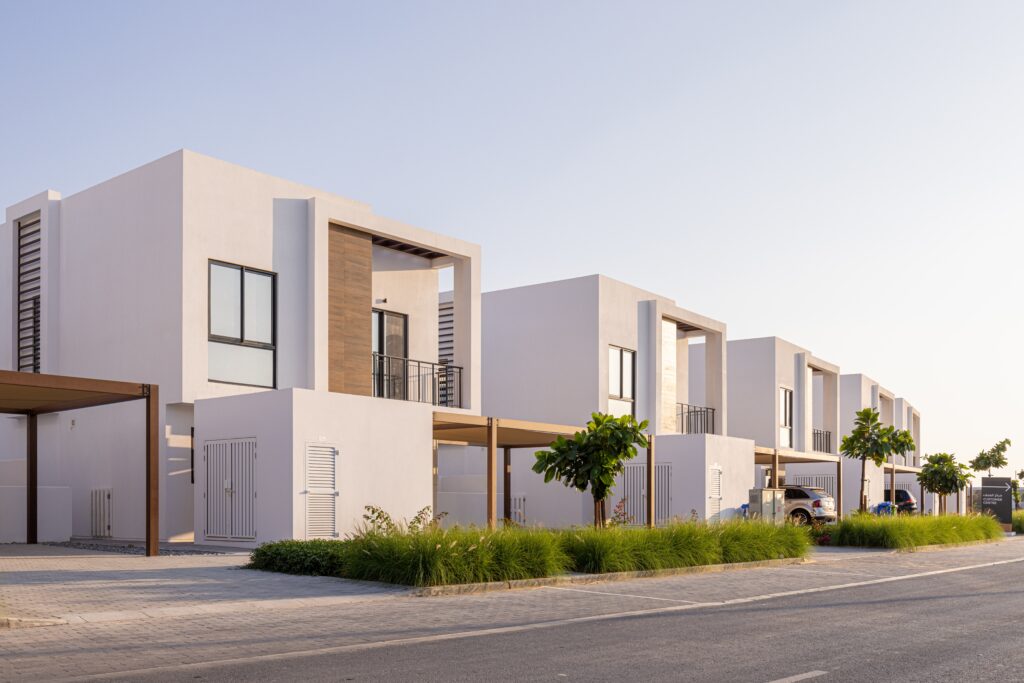
- Apartments: These are often the easiest entry point for both local and international investors. Apartments in mid-prime communities offer steady rental demand and lower service charges.
- Townhouses: A popular option for families. They tend to offer higher capital appreciation and longer tenancy periods but come with higher initial costs.
- Villas: These offer larger space and strong resale value in premium areas. They’re well suited for investors with a long-term growth strategy.
- Off-plan units: These are bought before completion at lower prices. They carry more risk but can offer significant upside if the market moves in your favour.
When selecting a property type, focus on tenant demand, ongoing maintenance costs, and how the asset aligns with your long-term plan. This is especially important for anyone learning how to invest in Dubai property with clarity and structure
Why this matters for your portfolio:
Choosing the right asset class sets the tone for your returns. It affects your rental income, appreciation potential, and holding costs, which in turn shape how fast your portfolio grows.
Step 5: Understand legal and regulatory requirements
Strong legal protections make Dubai an attractive place to build a property investment portfolio. The city has a transparent ownership structure designed to give both residents and foreign investors confidence.
Foreign buyers can purchase freehold property in designated zones without needing UAE residency. All transactions must be registered with the Dubai Land Department (DLD), which provides legal proof of ownership. Payments for off-plan properties must go through government-regulated escrow accounts, protecting buyers if a project faces delays or cancellation.
Key legal steps include:
- Signing a Memorandum of Understanding (MOU) with the seller
- Registering the transaction with the DLD
- Paying the 4% DLD transfer fee
- Receiving a Title Deed as proof of ownership
Short-term rentals also require a permit from the Department of Economy and Tourism. These steps are simple but must be followed in sequence. Using verified platforms and licensed partners reduces the risk of delays or compliance issues. This matters even more when you plan to diversify property investments UAE and manage multiple assets.
Why this matters for your portfolio:
Clear legal checks protect your money, your ownership rights, and your rental income. When every property in your portfolio is compliant from day one, you avoid costly issues later and build long-term stability.
Step 6: Plan your financing structure
Financing is one of the most critical parts of building a property investment portfolio. Whether you buy with cash or through a mortgage, how you structure your funding can affect your returns for years.
For mortgage buyers, banks in Dubai typically offer loan-to-value (LTV) ratios of up to 80% for UAE residents and around 60–70% for non-residents. The loan terms can range from 15 to 25 years, and interest rates may vary depending on the property type and the borrower’s profile.
If you prefer cash purchases, the upside is full ownership with no monthly liabilities. This can increase your net rental income and flexibility when selling or reinvesting.
It’s also worth factoring in additional upfront costs:
- 4% Dubai Land Department fee
- 2% agency commission
- Mortgage registration fees (if applicable)
- Service charges based on property size and location
Some investors use fractional ownership platforms such as JODOA to access high-value assets without taking on a full mortgage. This allows you to start smaller, diversify across multiple properties, and spread your risk.
Why this matters for your portfolio:
Your financing structure shapes your cash flow, your risk tolerance, and how fast you can scale. A well-planned approach gives you room to expand without putting pressure on your long-term strategy.
Step 7: Manage and optimise your assets
Once you’ve secured your property, the focus shifts to how you manage and grow your property investment portfolio. Good asset management can increase rental income, protect long-term value, and keep your investment strategy on track.
You can either handle property management yourself or hire a professional agency. Self-management gives you full control, but it can be time-consuming, especially if you live abroad. A professional agency typically handles:
- Tenant screening and contracts
- Rent collection and renewals
- Maintenance and repairs
- Compliance with local regulations
Dubai’s rental market is highly regulated. All tenancy contracts must be registered with Ejari, and there are clear rules on rent increases set by the Real Estate Regulatory Agency (RERA). Short-term rental options through licensed platforms can offer higher yields but require permits from the Department of Economy and Tourism.
Digital platforms like JODOA give investors real-time visibility into their assets. This makes it easier to track performance, plan reinvestments, or decide when to sell. For many buyers following a structured Dubai real estate investment portfolio approach, having transparent oversight is essential.
Why this matters for your portfolio:
Strong management increases income, reduces vacancy, and protects your asset value. These gains compound over time, helping your portfolio grow steadily without unnecessary risk.
Step 8: Review and expand your portfolio
A strong property investment portfolio is never static. To build lasting wealth, you need to revisit your assets regularly, assess performance, and identify new opportunities.
Start with an annual review of your holdings. Look at rental yields, capital appreciation, and occupancy rates. If one property underperforms, decide whether to renovate, switch rental strategies, or sell and reinvest elsewhere. Markets shift over time, and what worked five years ago may not deliver the same returns today.
Diversification is also key. Many investors choose to expand across different property types such as apartments, villas, or commercial units. Others balance Dubai investments with holdings in international markets to spread risk. Fractional ownership can help you grow your portfolio faster by lowering entry costs and giving access to multiple high-demand projects.
JODOA offers structured ways to diversify without taking on full ownership burdens. This works well for investors looking to diversify property investments UAE without adding unnecessary complexity
Why this matters for your portfolio:
Regular reviews help you cut weak assets, double down on strong performers, and stay aligned with market shifts. This discipline drives long-term growth and keeps your portfolio moving in the right direction.
Step 9: Build long-term wealth with a clear strategy
The ultimate goal of any property investment portfolio is to create sustainable wealth. This doesn’t happen by accident. It comes from setting clear targets, reviewing your position regularly, and adjusting to market shifts.
Dubai’s real estate market offers strong rental yields, no property or capital gains tax, and access to fast-growing communities. These factors give investors a solid foundation for long-term growth. But the key is consistency. Whether your strategy focuses on high-yield rentals, capital appreciation, or fractional ownership, staying disciplined matters more than chasing trends.
Here are a few smart moves that experienced investors often make:
- Reinvesting rental income into additional assets.
- Balancing short-term and long-term holdings.
- Tracking performance and rebalancing yearly.
- Using platforms like JODOA to access multiple projects without overexposure to one.
This approach gives your portfolio resilience and room to expand. With each cycle of reinvestment, your assets become a more stable source of income and security. For many new investors researching how to invest in Dubai property, long-term structure is what separates slow progress from meaningful growth.
Why this matters for your portfolio:
A clear long-term plan keeps your strategy consistent, protects you from emotional decisions, and builds steady wealth year after year.
Building your portfolio with confidence
A well-structured property investment portfolio isn’t built overnight. It grows through clear goals, smart allocation, regular reviews, and a willingness to adapt. Dubai gives investors a unique advantage with its strong yields, stable market, and flexible entry options. Whether you start with a single apartment or a diversified set of assets, the key is making decisions based on strategy, not guesswork.
Platforms like JODOA make the process simpler by offering access to high-demand projects, transparent documentation, and structured ownership models. This helps investors who want clarity and a guided path while building a Dubai real estate investment portfolio without unnecessary complexity.
Take the next step
If you’re ready to start building your property investment portfolio in Dubai, now is the time to act. Explore your options, define your strategy, and make every decision count. JODOA gives you the tools to invest with clarity and control, no matter your starting point.
Your future wealth won’t build itself. Start shaping it today.
 Social Share:
-

-

-